

Venture capital has become one of the most important engines driving today’s innovation economy. As we discussed in the pillar article What Is Venture Capital? A Deep Dive into Startup Investing, VCs take on significant risk by backing early-stage companies with big growth potential. But for every startup that becomes the next Airbnb, thousands never make it past their first few years.
That raises a critical question for both founders and investors: what exactly attracts VCs to a startup—and what sends them running for the exits?
Let’s break it down into the “green flags” that can help founders secure investment and the “red flags” that can sink a deal.
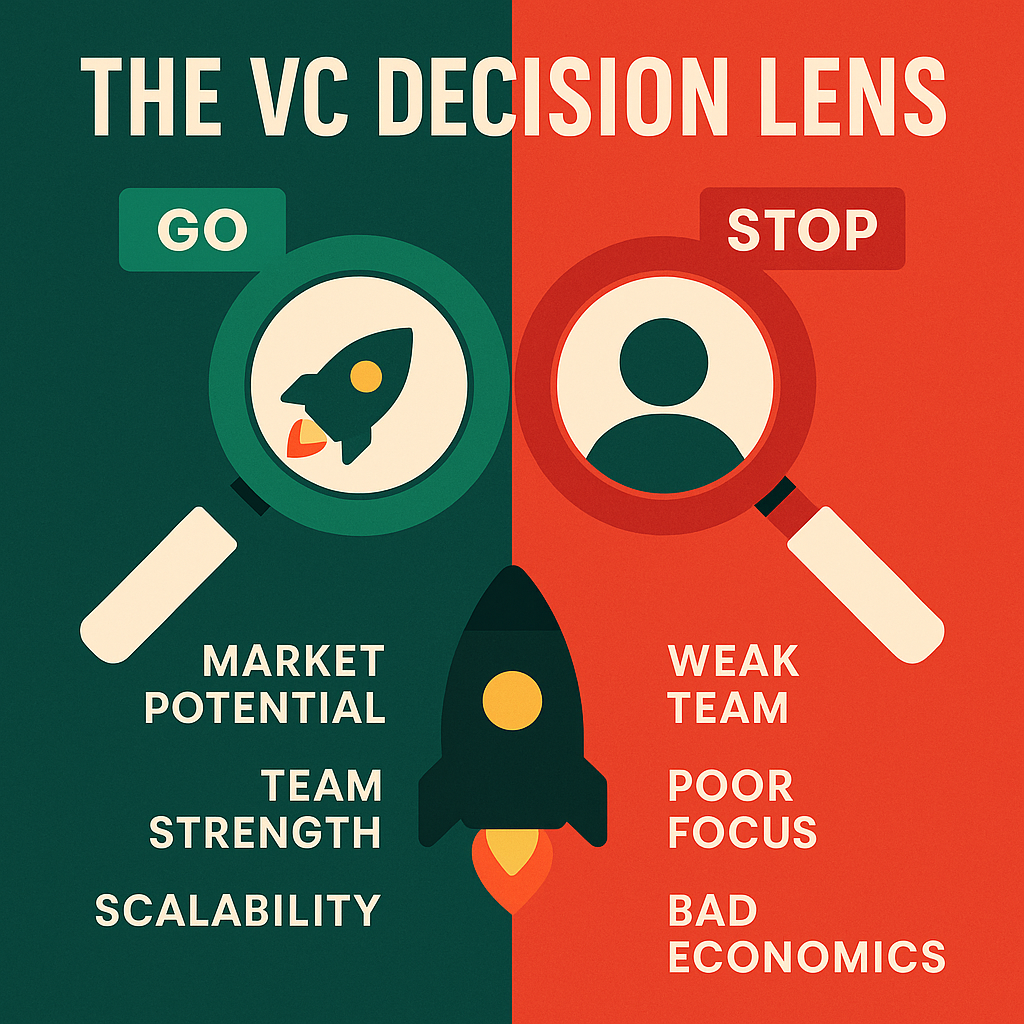
Green Flags: What Makes VCs Lean In
1. Strong Founding Team
At the seed and Series A stages, the team often matters more than the product. VCs want to see a group of founders with complementary skills, industry knowledge, and resilience. A track record of execution—whether through past startups, domain expertise, or leadership experience—screams credibility.
2. Clear Market Opportunity
VCs aren’t just looking for a good idea—they’re looking for a big market. A billion-dollar addressable market (TAM) is a rule of thumb. Startups that can show data-backed projections, real demand, and scalable business models are much more attractive.
3. Early Traction
Even modest traction—like growing user adoption, recurring revenue, or strong engagement metrics—signals that customers actually want the product. This reduces risk and increases investor confidence.
4. Competitive Advantage
Differentiation matters. Whether it’s proprietary technology, patents, network effects, or brand strength, VCs want to know why a startup won’t be easily copied. A strong moat is often the difference between a “nice product” and a “fundable business.”
5. Alignment with VC Strategy
Not every startup is right for every VC. Green flags include when a company’s stage, sector, and growth trajectory align with a firm’s investment thesis. A fintech startup approaching a fintech-focused VC with a proven track record is more likely to get serious attention.
Red Flags: What Makes VCs Walk Away
1. Weak or Misaligned Team
Just as a strong team is a green flag, a weak or disorganized one is a major red flag. High founder turnover, lack of technical expertise, or poor communication are often deal-breakers.
2. Small or Misunderstood Market
If the total market size is too small—or if the founders can’t convincingly explain it—VCs won’t see a path to venture-scale returns. Startups chasing niche opportunities with limited scalability often get passed over.
3. Inflated Valuation
Nothing raises VC eyebrows faster than a valuation that can’t be justified by traction or market size. Overpriced dealscreate skepticism and limit upside potential.
4. Lack of Focus
Startups that try to do too many things at once often fail to master any of them. VCs see a lack of focus as a sign the founders don’t fully understand their priorities or customer base.
5. Poor Unit Economics
A great product doesn’t matter if it can’t eventually make money. If customer acquisition costs are too high, margins too low, or the business model unclear, most VCs won’t bite.
6. Red Flags in Governance
Issues like unclear cap tables, founder disputes, or poor financial reporting suggest operational headaches down the road. VCs know these problems only get bigger as the company scales.
The Balance of Risk and Reward
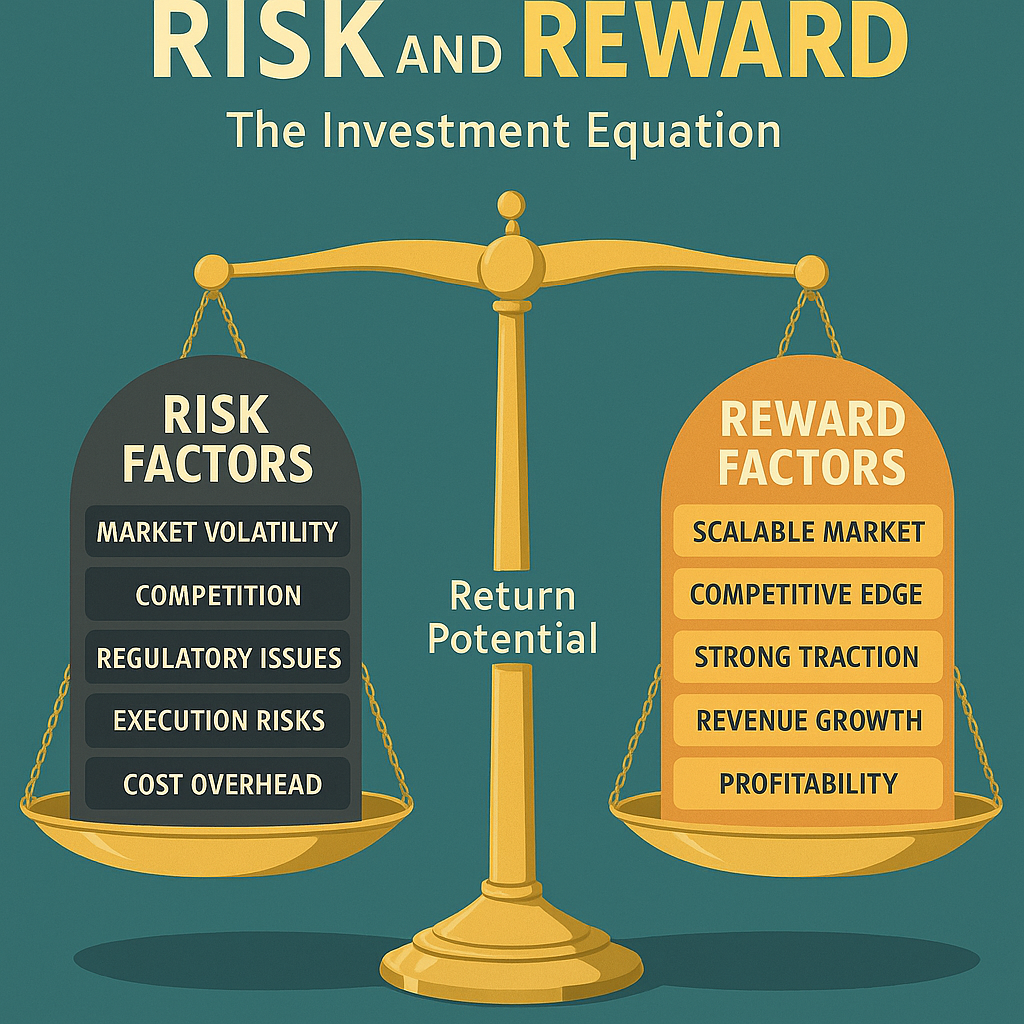
At the heart of venture capital is risk-taking. As outlined in the VC pillar article, the odds of any given startup becoming a unicorn are slim, but the potential rewards are massive. That’s why VCs balance both green flags (signals of upside) and red flags (signals of danger) when deciding where to allocate capital.
For founders, the key takeaway is this: VCs aren’t looking for perfection. They know early-stage companies are messy. What matters is demonstrating vision, execution ability, and the discipline to navigate risk.
For investors, spotting these flags early is critical for maximizing returns and minimizing costly mistakes.