

As blockchain technology reshapes finance, a new type of investment has emerged: tokenized assets. These digital representations of real-world or digital assets are transforming the way investors access markets, manage portfolios, and diversify holdings. For investors intrigued by innovations like tokenized real estate, understanding tokenized assets is a critical first step toward making informed investment decisions.
This guide provides an overview of tokenized assets, explaining what they are, how they work, why they matter, and what investors need to know before participating. It also connects to broader trends in tokenized real estate, as explored in The Rise of Tokenized Real Estate: How Blockchain Is Reshaping Ownership, highlighting the practical applications of this technology in creating new investment opportunities.
Defining Tokenized Assets
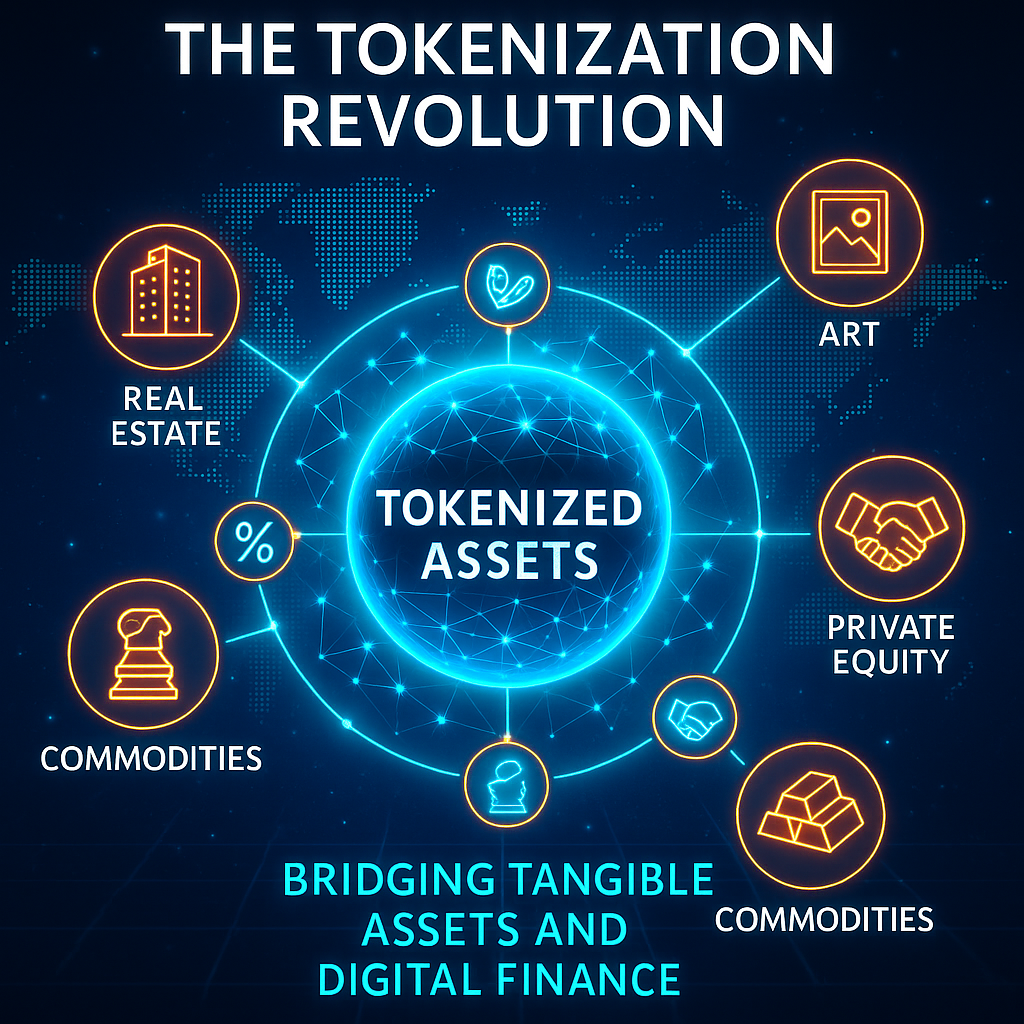
A tokenized asset is a digital representation of a tangible or intangible asset recorded on a blockchain. Tokens can represent physical property, real estate, financial instruments, commodities, or intellectual property. Tokenization converts ownership rights into programmable digital units that can be bought, sold, or traded securely.
For example:
- A painting valued at $500,000 could be tokenized into 50,000 tokens worth $10 each. Investors gain fractional ownership and proportional rights to any appreciation or income generated by the asset.
Tokenization also applies to digital or financial assets, including private equity stakes or revenue-sharing agreements, offering liquidity and access that traditional markets often cannot provide. Tokenization democratizes investment by lowering entry thresholds and enabling smaller investors to participate in previously inaccessible markets.
How Tokenized Assets Work
Tokenized assets leverage blockchain technology to improve transparency, efficiency, and security. The process generally involves:
- Asset Selection and Legal Structuring
The underlying asset is identified, and a legal entity—often a special purpose entity (SPE)—is created to hold the asset and issue tokens. This ensures clarity of ownership, compliance, and enforceable rights for investors. - Token Creation
Tokens representing ownership are minted on a blockchain such as Ethereum, Solana, or Tezos. Smart contracts codify rules for ownership, distributions, governance, and transfers, allowing automated enforcement of agreements without intermediaries. - Investor Participation
Investors purchase tokens using fiat currency or cryptocurrency. Tokens grant economic rights and, in some cases, voting rights. Distributions, such as rental income, dividends, or royalties, are often automated via smart contracts, providing efficiency, transparency, and predictable cash flows. - Secondary Market Trading
Tokens can be traded on digital exchanges or private secondary platforms. This provides liquidity that traditional assets, such as real estate or private equity, often lack, allowing investors to adjust their holdings without lengthy sales processes. This flexibility can make tokenized assets an appealing addition to diversified portfolios.
Benefits of Tokenized Assets
- Fractional Ownership: Enables investment in high-value assets without requiring full ownership.
- Increased Liquidity: Creates tradable markets for traditionally illiquid assets.
- Global Accessibility: Investors worldwide can participate without typical financial barriers.
- Transparency and Security: Blockchain provides immutable records, reducing reliance on intermediaries.
- Programmable Features: Smart contracts allow automatic distribution of income, voting, and compliance monitoring, simplifying the management of complex investment structures.
Types of Tokenized Assets
- Tokenized Real Estate: Fractional ownership of residential, commercial, or industrial properties, often providing rental income to investors.
- Tokenized Commodities: Digital representation of gold, silver, or oil for easier trading and efficient storage.
- Tokenized Securities: Equity, debt, or private equity stakes represented digitally, enabling faster transactions and lower administrative costs.
- Tokenized Collectibles: Art, rare wines, or classic cars fractionalized to provide access to a broader investor base while preserving asset value.
Risks and Considerations
While tokenized assets offer many opportunities, investors must consider:
- Regulatory Uncertainty: Legal frameworks are still developing; compliance is critical.
- Market Liquidity: Secondary markets are emerging but may be thin, causing price volatility.
- Technology Risks: Smart contract bugs or blockchain vulnerabilities could result in financial loss.
- Valuation Complexity: Assessing fair value for illiquid or rare assets can be challenging.
- Operational Risk: Quality of asset management and issuer transparency are essential for investor protection.
Portfolio Integration
Tokenized assets provide diversification and unique exposure to alternative asset classes. Fractional ownership allows access to high-value markets without excessive capital. Investors can combine tokenized real estate for stable income, tokenized commodities for inflation protection, and tokenized private equity for growth potential, improving portfolio resilience and flexibility. Tokenized assets can also complement traditional stock and bond holdings by introducing exposure to markets that are not directly correlated with public equities.
Future Trends
Tokenized assets are expected to grow as infrastructure and regulation mature. Emerging trends include:
- Integration with DeFi platforms, enabling lending and borrowing using tokenized assets as collateral.
- ESG-focused investments, particularly in sustainable real estate or renewable energy projects.
- Cross-border fractional ownership, connecting global investors with previously inaccessible markets.
- Interoperable blockchain platforms, improving trading, settlement, and compliance across ecosystems.
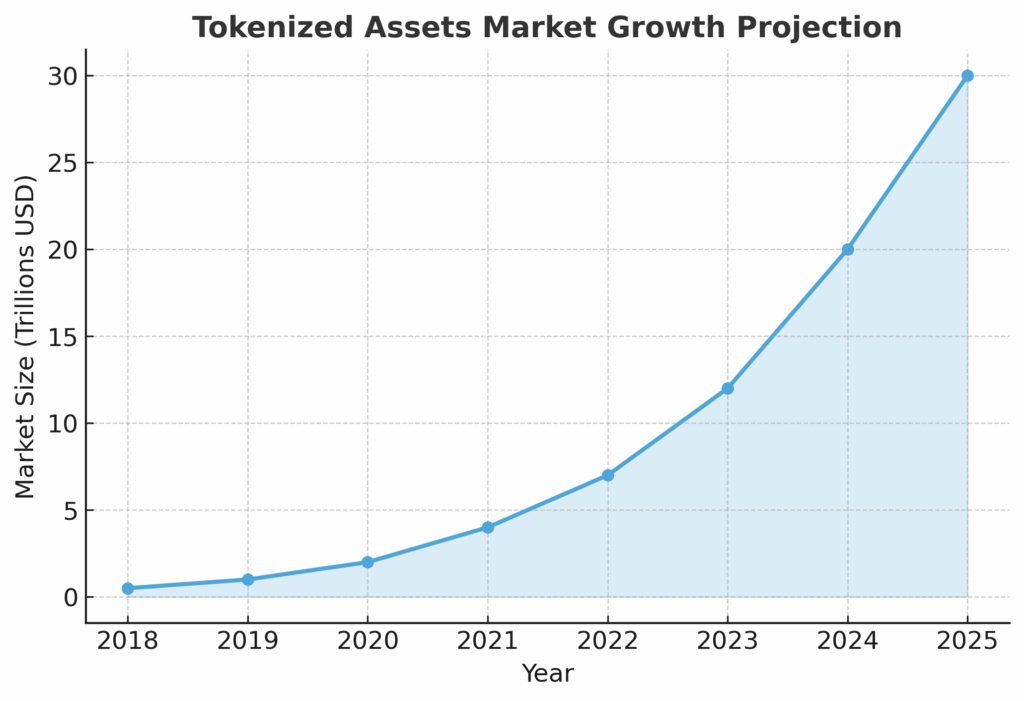
As adoption accelerates, tokenized assets are likely to become a standard component of diversified portfolios, offering liquidity, transparency, and access to high-value markets.