

This Content Is Only For Subscribers
Real estate has a reputation for being traditional, even old-fashioned. Contracts signed in triplicate, brokers with thick binders of listings, and negotiations that drag on for weeks have long been the norm. But in the past decade, a quiet revolution has been reshaping the industry. That revolution has a name: PropTech—short for property technology.
Just as fintech transformed banking, PropTech is digitizing, automating, and disrupting real estate. From smart buildings to blockchain, PropTech is changing how properties are built, managed, bought, and sold. For investors, understanding this shift is essential—not just to spot opportunities, but to avoid being left behind.
What Is PropTech?
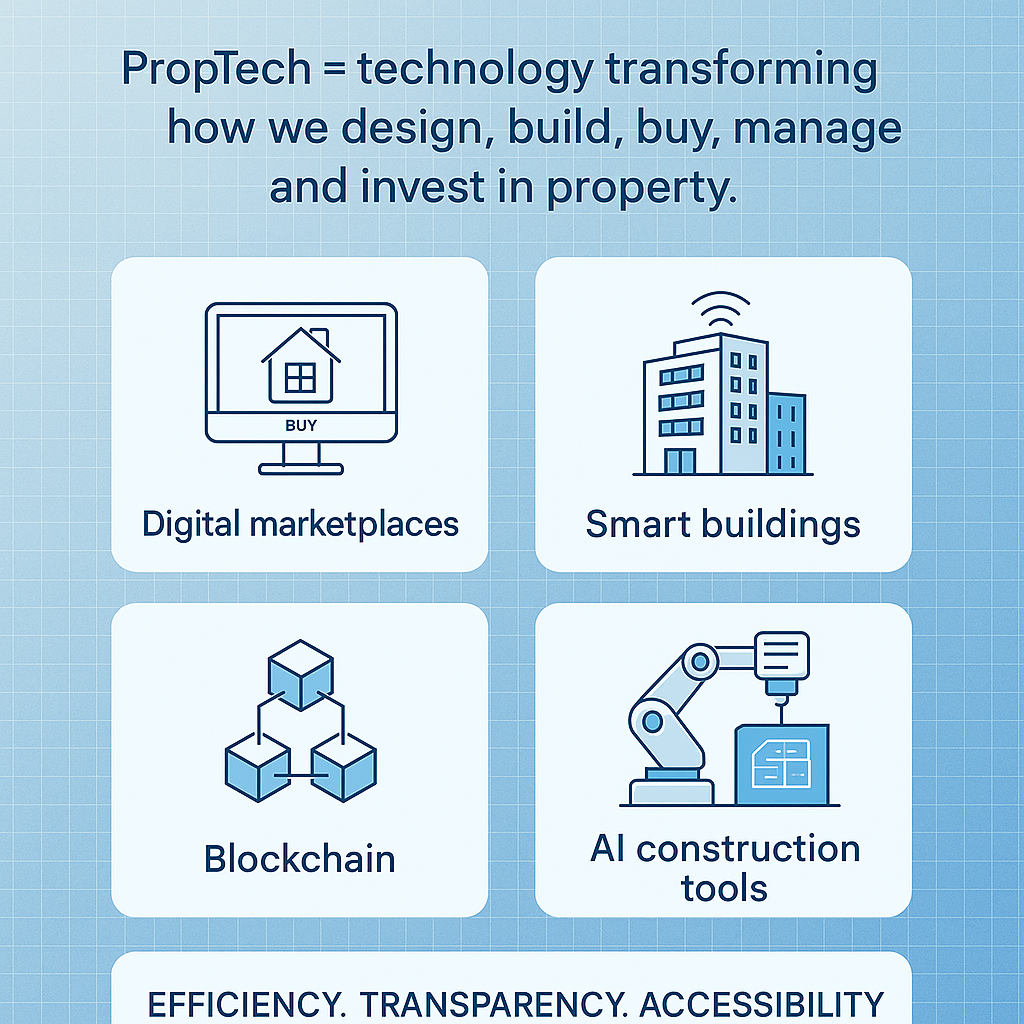
PropTech refers to the use of technology to improve how we design, construct, transact, manage, and invest in real estate. It spans a wide spectrum:
- Digital marketplaces like Zillow, Rightmove, or Redfin that simplify search and valuation.
- Smart building systems that optimize energy use and tenant experience.
- Blockchain and tokenization platforms enabling fractional ownership and faster settlement.
- Construction tech that incorporates 3D printing, drones, and AI-driven design.
At its core, PropTech aims to make real estate more efficient, transparent, and accessible.
Key Areas of PropTech Innovation
1. Smart Buildings and IoT
Smart buildings use the Internet of Things (IoT) to monitor and control energy, lighting, HVAC, and security.
- Case example: Amsterdam’s The Edge office building, often called the “smartest building in the world,” uses thousands of sensors to monitor usage patterns, allowing for energy optimization and a personalized work environment.
- Investor takeaway: Smart systems reduce costs, improve tenant satisfaction, and can enhance asset value.
2. Digital Transactions and Marketplaces
Once cumbersome, property transactions are moving online. Buyers can tour homes virtually, sign contracts digitally, and close deals faster.
- Platforms: Zillow, Redfin, and international counterparts like India’s MagicBricks or the U.K.’s Zoopla have simplified property discovery.
- Trend: Virtual reality tours gained traction during COVID-19 and remain popular today.
Impact for investors: Liquidity and efficiency are improving in historically opaque markets.
3. Blockchain and Tokenization
One of the most talked-about PropTech frontiers is blockchain.
- Tokenization: Real estate can be divided into digital tokens, each representing a share of the property.
- Example: In 2018, a portion of the St. Regis Aspen Resort was tokenized, allowing fractional ownership through blockchain-based shares.
- Benefit: Tokenization could democratize access, making real estate investments more liquid and accessible to smaller investors.
4. Construction Technology
PropTech isn’t just about managing assets—it’s also about how they’re built.
- AI in design: Algorithms can optimize layouts for efficiency and sustainability.
- Drones: Used for surveying and progress monitoring on construction sites.
- 3D printing: Has already produced small-scale houses and could eventually reduce costs and build times dramatically.
5. Property Management Platforms
For landlords and asset managers, PropTech tools streamline operations:
- Automated rent collection.
- Predictive maintenance alerts.
- Tenant portals for communication and service requests.
Result: Lower costs, higher tenant retention, and data-driven decision-making.
Benefits of PropTech for Investors
Efficiency Gains
- Faster transactions, reduced paperwork, and automation cut costs and time.
Transparency
- Digital platforms provide clearer data on pricing, comparables, and performance.
Accessibility
- Fractional ownership and tokenization open doors for smaller investors.
Sustainability
- Smart building systems reduce carbon footprints and align with ESG goals.
Tenant Experience
- Apps and smart services increase satisfaction, leading to higher occupancy rates.
Risks and Challenges
PropTech isn’t risk-free.
- Adoption barriers: Many traditional players remain slow to adopt new tools.
- Cybersecurity: Digital systems are vulnerable to hacks and data breaches.
- Regulation: Tokenized assets, digital contracts, and blockchain platforms may face uncertain legal frameworks.
- Hype cycles: Some PropTech startups overpromise and underdeliver; investors should separate substance from marketing.
The Bigger Picture: Convergence With Other Trends
PropTech doesn’t exist in isolation. It intersects with:
- Demographics: Digital-native generations expect tech-enabled housing and services.
- Sustainability: PropTech tools help monitor and reduce energy use, crucial for ESG compliance.
- Globalization: Online platforms expand cross-border investing opportunities.
This convergence suggests PropTech will be a long-term force in reshaping real estate, not just a passing fad.
What This Means for Novice Investors
If you’re new to real estate investing, PropTech can work in your favor in several ways:
- Better research tools: Online marketplaces make it easier to compare properties and analyze values.
- Fractional access: Tokenization platforms may allow you to start small rather than saving for years to buy an entire property.
- More transparency: Digital platforms offer data that previously required inside connections or expensive reports.
- Potential pitfalls: Beware of speculative projects or unproven startups—focus on tools that solve real problems and already have adoption momentum.
The Future Outlook
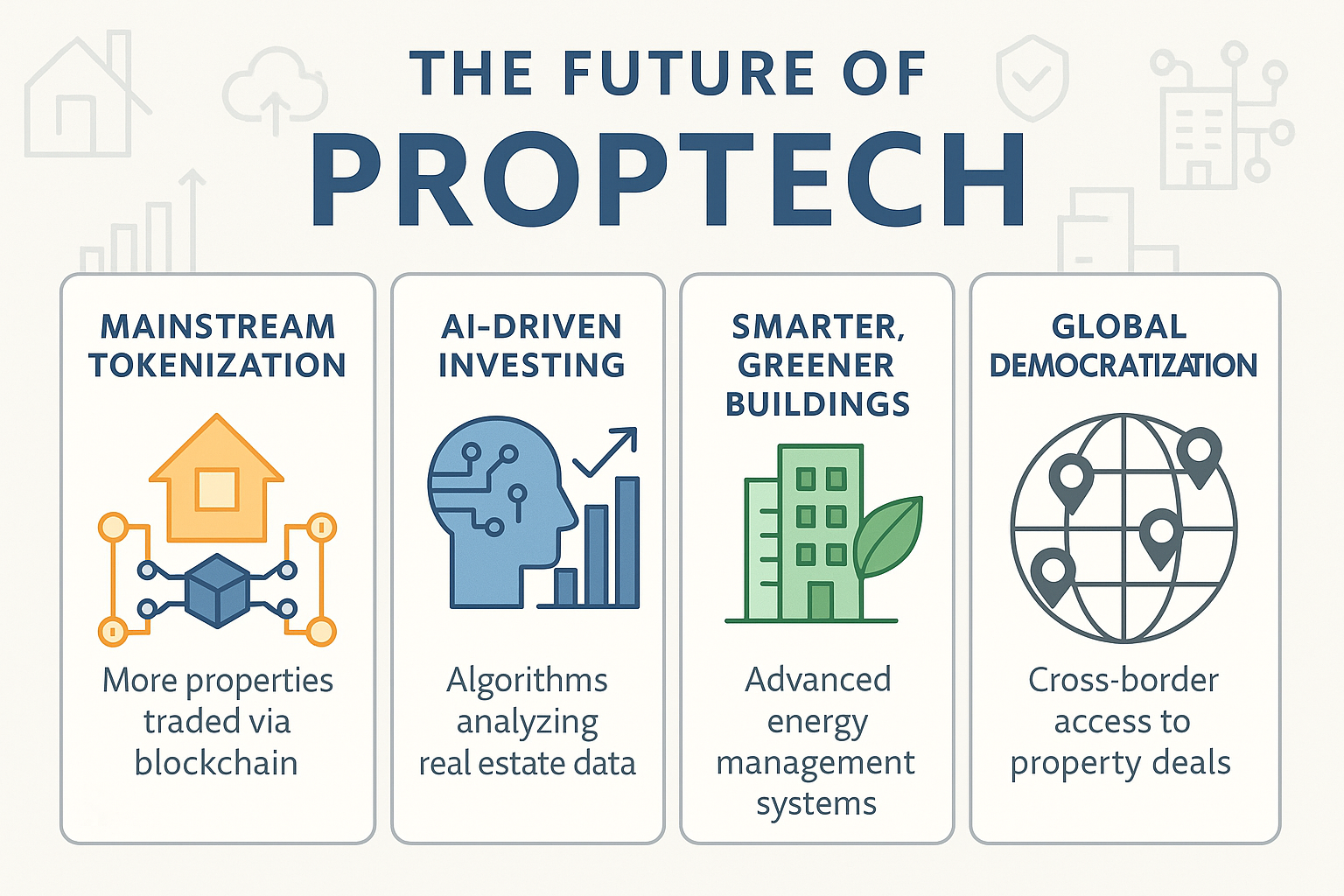
PropTech adoption is still accelerating. Looking ahead:
- Mainstream tokenization: More properties may be traded on blockchain-based exchanges.
- AI-driven investing: Algorithms could analyze vast data sets to recommend optimal property investments.
- Smarter, greener buildings: Expect new developments to integrate sensors, renewable energy, and digital tenant services from day one.
- Global democratization: Platforms will likely allow investors in one country to easily buy into properties halfway across the world.
Final Thoughts
Real estate has always been about “location, location, location.” That will never change. But in the future, technology will be just as critical. Whether it’s the way a building manages its energy, how investors access deals, or how tenants interact with their spaces, PropTech is rewriting the rules.
For investors, the message is clear: staying informed about PropTech isn’t optional—it’s a necessity. Those who adapt early may gain efficiency, transparency, and access that others miss. And in a world where real estate is becoming more digital, those advantages could be the key to long-term success.