

Crypto-backed assets, including tokenized real estate, blockchain-based funds, and other digital securities, have become increasingly popular among investors seeking exposure to innovative financial instruments. These assets promise liquidity, transparency, and fractional ownership, but they also introduce unique risks and regulatory considerations. Understanding these factors is essential for any investor looking to navigate this emerging landscape responsibly.
Understanding Crypto-Backed Assets
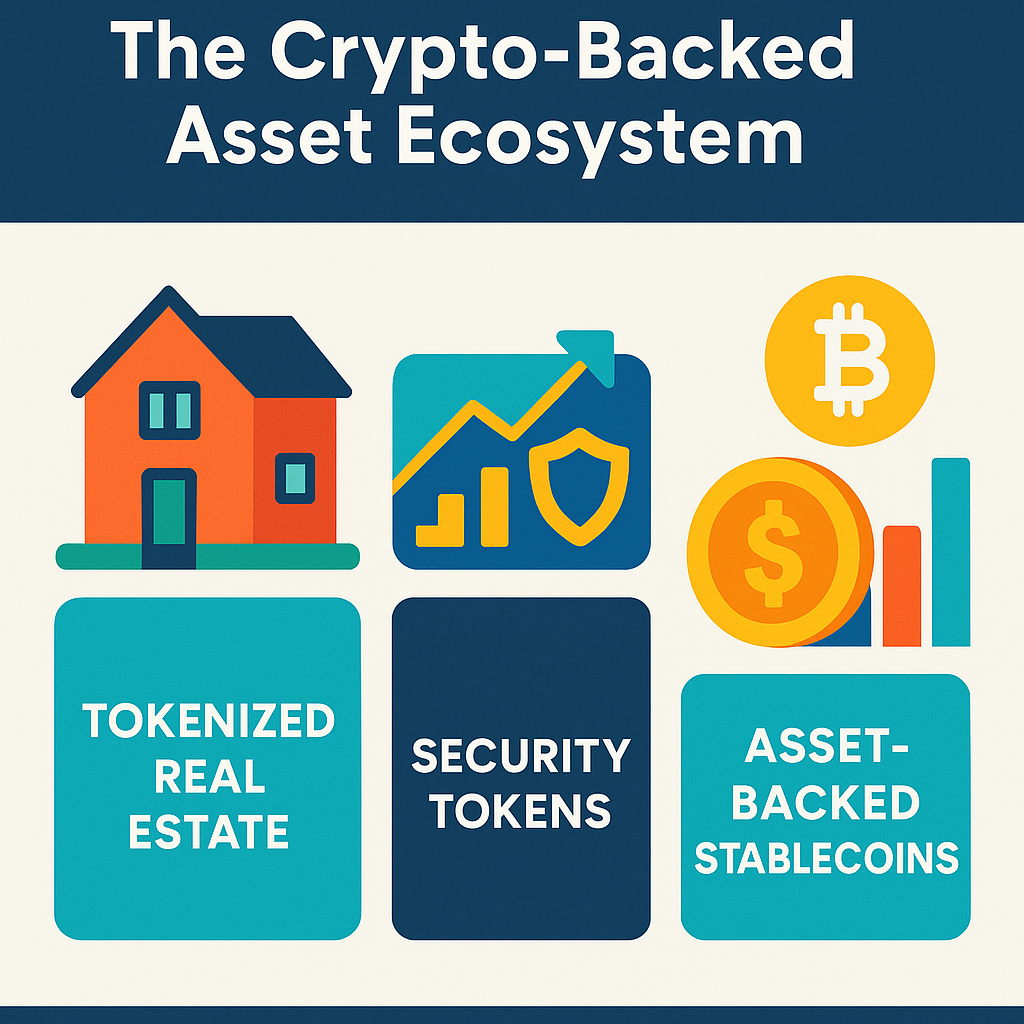
Crypto-backed assets are financial instruments whose value is linked to blockchain technology or digital tokens. Examples include:
- Tokenized Real Estate: Fractional ownership of residential, commercial, or industrial properties recorded on blockchain.
- Security Tokens: Digital tokens representing equity or debt in companies, funds, or other financial instruments.
- Stablecoins Backed by Assets: Cryptocurrency pegged to real-world assets, such as real estate, fiat currencies, or commodities.
These assets leverage blockchain for transparency, traceability, and efficient settlement, making them attractive alternatives to traditional investments.
Key Investor Risks
Despite their advantages, crypto-backed assets carry specific risks that investors must consider:
1. Market Volatility
Digital assets, including tokenized investments, often exhibit significant price fluctuations. Even tokenized real estate or stablecoins may experience price swings due to market demand, liquidity constraints, or the underlying asset’s performance. Investors should be prepared for volatility that can impact short-term returns.
2. Liquidity Risk
Although tokenization enhances liquidity compared to traditional property ownership, secondary markets for crypto-backed assets are still developing. Limited trading volumes can make it challenging to exit positions quickly, particularly in niche markets or during periods of market stress.
3. Technology and Cybersecurity Risk
Blockchain technology provides security and transparency, but it is not immune to vulnerabilities. Smart contract bugs, hacking incidents, or platform failures can result in partial or total loss of digital assets. Investors should carefully evaluate the security protocols of platforms and conduct due diligence.
4. Regulatory Uncertainty
The regulatory framework for crypto-backed assets is evolving and varies by jurisdiction. Regulatory changes can affect trading, taxation, and legal recognition of ownership, creating uncertainty for investors. Compliance with Know Your Customer (KYC) and Anti-Money Laundering (AML) requirements is essential for both issuers and investors.
5. Custody and Counterparty Risk
Some platforms hold investor assets in centralized wallets or through third-party custodians. This introduces counterparty risk if the custodian becomes insolvent, mismanages funds, or experiences a security breach. Proper due diligence on custody arrangements and insurance coverage is critical.
Regulatory Considerations
Governments and regulatory bodies worldwide are beginning to address the legal status of crypto-backed assets. Key points for investors include:
- Securities Laws: Many tokenized assets may be classified as securities, requiring compliance with securities regulations, disclosures, and investor protections.
- Accredited Investor Requirements: Certain crypto-backed investments may be limited to accredited or qualified investors due to complexity and risk.
- Tax Implications: Tokenized assets and digital tokens can have unique tax treatments, including capital gains, dividend-like distributions, or income reporting requirements.
- AML and KYC Compliance: Platforms offering crypto-backed assets typically require investor verification to prevent money laundering and fraud.
While regulations aim to protect investors, they are still evolving, and inconsistencies between jurisdictions can create challenges for cross-border investors.
Best Practices for Investors
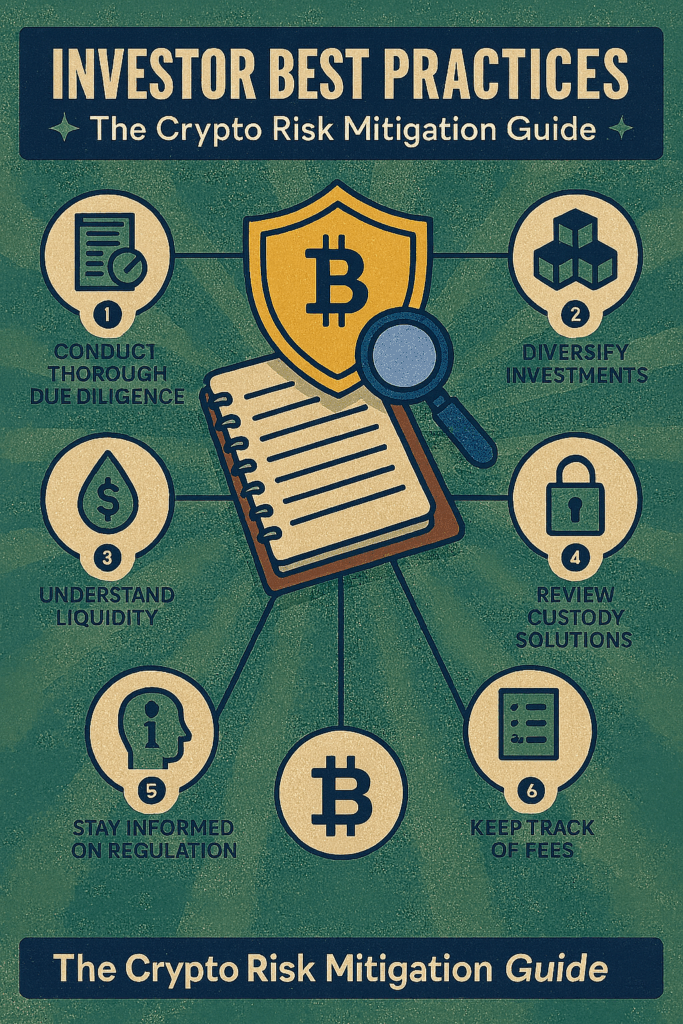
Investors interested in crypto-backed assets can take several steps to mitigate risk:
- Conduct Thorough Due Diligence – Evaluate the underlying asset, platform credibility, legal framework, and past performance.
- Diversify Across Assets and Platforms – Avoid concentration in a single token, property, or platform to reduce exposure to idiosyncratic risk.
- Understand Liquidity Options – Investigate whether secondary markets exist, how often they operate, and what fees are involved in trading or redemption.
- Review Custody Solutions – Ensure secure storage, insurance coverage, and reliable access to digital assets.
- Stay Informed on Regulation – Monitor developments in crypto, securities, and taxation laws that may impact investments.
By applying these principles, investors can navigate the emerging market of crypto-backed assets while managing potential pitfalls.
The Future of Risk and Regulation
As the market matures, several trends are likely to shape investor experiences:
- Clearer Global Frameworks: Regulators in the U.S., EU, and Asia are moving toward standardized rules for digital securities and tokenized assets.
- Institutional Adoption: Banks, asset managers, and institutional investors are increasingly participating, bringing credibility and risk management practices.
- Improved Security and Auditing: Advances in smart contract auditing, cybersecurity protocols, and decentralized custody solutions will enhance investor protection.
- Integration with Traditional Finance: Tokenized assets may become more tightly integrated with traditional markets, offering hybrid investment options and improved liquidity.
Investors who understand these evolving dynamics will be better positioned to capitalize on the benefits of crypto-backed assets while navigating the inherent risks.