

This Content Is Only For Subscribers
Why Performance Reporting Matters
When investors put money into a hedge fund, they want to know one thing above all: How is my investment doing? But unlike mutual funds or ETFs, which report performance publicly and in standardized formats, hedge funds operate in a more private, flexible, and sometimes opaque way.
For novice investors, understanding how hedge funds measure and report performance is crucial to interpreting results and making fair comparisons.
Net vs. Gross Returns
The first distinction investors encounter is between gross and net returns:
- Gross Returns: Profits before fees are deducted.
- Net Returns: What investors actually receive after management and performance fees.
Since hedge funds typically charge much higher fees than mutual funds, the gap between gross and net returns can be significant. An investor may see a fund boasting “20% gross returns,” but after fees, the net return might only be 12–14%.
Savvy investors always focus on net returns.
Benchmarks and Comparisons
Unlike mutual funds, which are often compared to broad indexes like the S&P 500, hedge funds pursue diverse strategies that may not track market averages.
To judge performance fairly, investors look at:
- Custom Benchmarks: Some funds create their own benchmarks tailored to their strategy.
- Peer Groups: Comparing a fund’s results to others in the same category (e.g., long/short equity).
- Absolute Returns: Some funds emphasize generating positive returns regardless of market conditions, which makes traditional benchmarks less useful.
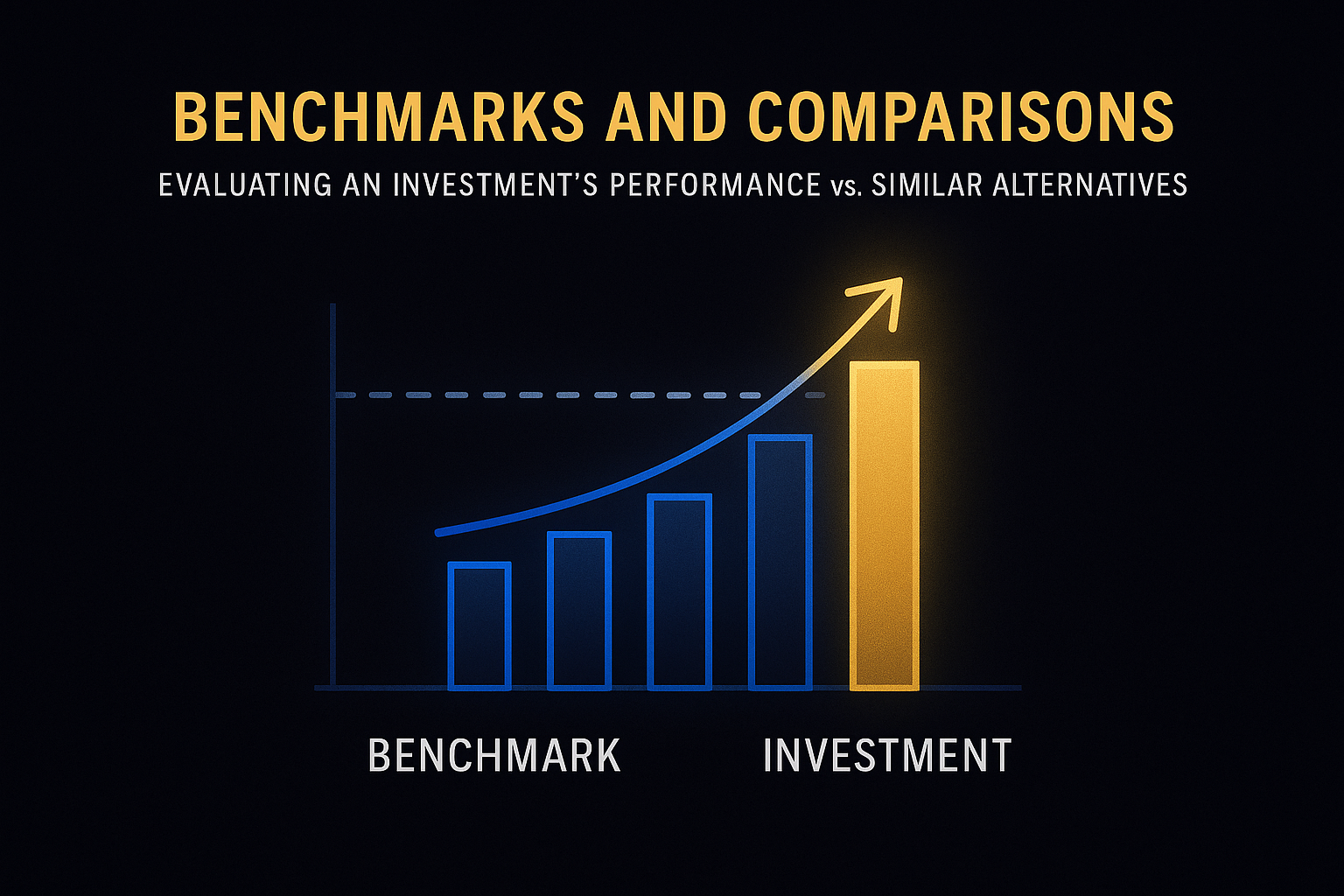
The lack of standardized benchmarks can make it tricky for novices to know whether a fund’s performance is truly impressive or just average.
Frequency of Reporting
Hedge funds usually report performance monthly or quarterly, rather than daily like mutual funds. This reduced frequency allows managers to focus on long-term strategy rather than short-term volatility.
Reports often include:
- Performance Numbers: Monthly or quarterly net return percentages.
- Commentary: Explanations of what drove gains or losses.
- Risk Metrics: Such as volatility or maximum drawdowns.
Some funds provide detailed transparency; others keep commentary sparse, citing proprietary strategies.
Key Performance Metrics to Know
Beyond raw return percentages, hedge fund reports often include risk-adjusted measures. Here are a few of the most common:
- Sharpe Ratio: Measures return relative to risk. A higher Sharpe suggests better risk-adjusted performance.
- Sortino Ratio: Similar to Sharpe but focuses only on downside volatility.
- Maximum Drawdown: The largest peak-to-trough decline in value, showing how bad losses can get.
- Alpha and Beta: Alpha measures outperformance versus a benchmark, while beta measures sensitivity to market movements.
For new investors, these terms can feel technical, but they offer important context. A fund with modest returns but low drawdowns may be more attractive than one with huge swings.
The Role of Third-Party Administrators
To boost credibility, many hedge funds use independent fund administrators to calculate returns and verify valuations. This helps prevent conflicts of interest and reassures investors that numbers are accurate.
Administrators also handle tasks like investor statements, compliance reporting, and sometimes even audits. Funds without independent verification can raise red flags.
Challenges in Hedge Fund Reporting
Performance reporting isn’t always straightforward. Some challenges include:
- Illiquid Assets: If a fund invests in assets that don’t trade frequently (like private loans), valuations may rely on models rather than market prices.
- Survivorship Bias: Databases of hedge fund performance often exclude failed funds, making the industry look better than it really is.
- Lagged Reporting: Quarterly reports may arrive weeks after quarter-end, making it hard for investors to know the fund’s real-time position.
These challenges mean hedge fund reporting requires a critical eye—investors shouldn’t take numbers at face value.
Case Study: The 2008 Crisis
During the financial crisis, reporting practices were tested. Some funds suspended withdrawals, delayed reports, or used optimistic valuations for illiquid securities. This eroded investor trust and highlighted the importance of independent audits and transparency.
Today, many institutional investors demand stricter reporting standards before committing capital.
What Investors Should Look For
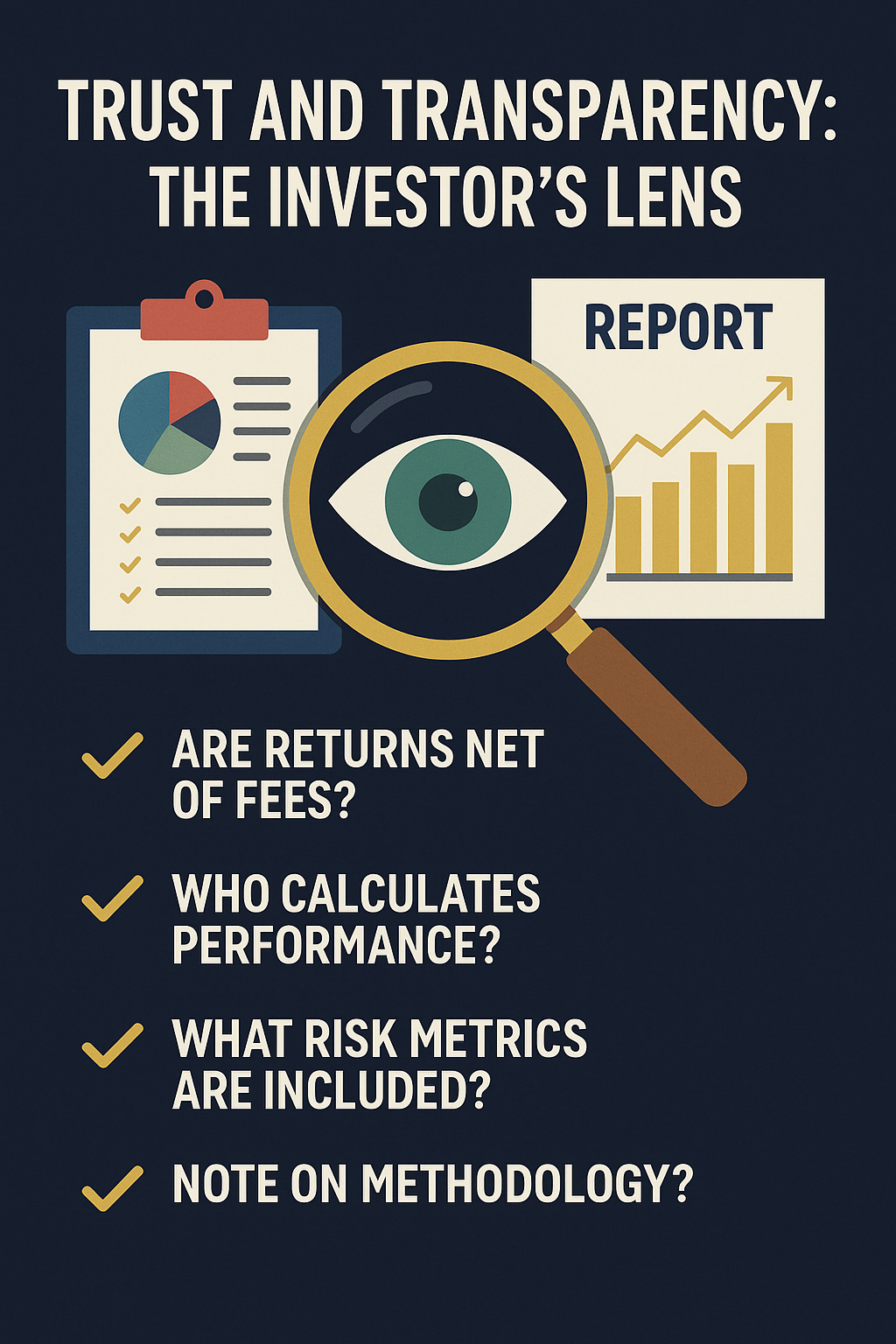
If you’re evaluating hedge fund performance reports, here are key questions to ask:
- Are returns net of fees? Always confirm.
- Who calculates performance? Is it an independent administrator or the fund itself?
- How often do reports come out? Monthly, quarterly, or less frequently?
- What risk metrics are included? Beyond returns, do you see volatility, drawdowns, or Sharpe ratios?
- Are there notes on methodology? Especially important for funds with illiquid holdings.
The more transparent the reporting, the easier it is to judge whether a fund is worth your capital.
Transparency vs. Secrecy
Hedge funds balance two competing forces: investor demand for transparency and the need to protect proprietary strategies. Some managers fear that detailed reporting could reveal too much to competitors.
As a result, many funds share high-level performance data with investors but keep detailed portfolio holdings confidential. Larger investors, like pensions or endowments, often negotiate greater access in exchange for committing more capital.
Final Takeaway
Hedge fund performance reporting is less standardized and more complex than what you’ll see with mutual funds or ETFs. Net returns, benchmarks, reporting frequency, and risk metrics all matter—and independent verification is key.
For novice investors, the lesson is to read reports critically, ask the right questions, and focus on the full picture, not just headline numbers. Ultimately, strong performance reporting is about trust: investors need confidence not only in the fund’s strategy but in the accuracy of what’s being reported.